In this article: 10 sections
How do I book business class for someone else?
Book it in the traveler’s name, exactly as it appears on their passport, and pay with your own card if you like. You will need their date of birth and, ideally, their phone number and email so the airline can reach them. Add their frequent flyer and Known Traveler numbers, then send them the confirmation code.
People book business class for a parent, a partner or a boss all the time, and it’s simple once you have the right details. Most of the work is collecting them, so that is where this guide starts.
What details do I need from the traveler?
Their full name exactly as printed on the passport they will travel with, their date of birth and their sex as shown on that passport, plus a mobile number and email. For international trips, check the passport’s expiration date against the destination’s entry rules, and ask for their frequent flyer and Known Traveler numbers.
The name matters most. Airlines pass each traveler’s details to TSA’s Secure Flight program, which collects the full name, date of birth and sex to match passengers against watch lists and trusted traveler lists. A name that does not match the ID can mean trouble at check-in, and airline tickets cannot be handed to another person, so a wrong name can be costly to fix.
A simple checklist to send the traveler:
- Full name as on the passport: first, middle and last, with no nicknames
- Date of birth and sex as shown on the passport
- Passport expiration date, which some airlines ask for before international check-in
- Mobile number and email
- Frequent flyer number, if they have one
- Known Traveler Number (TSA PreCheck or Global Entry), if they have one
- Seat preference, meal requests and any need for assistance at the airport
Copy names from a photo of the passport page rather than from memory. “Bill” on the booking and “William” on the passport is exactly the kind of mismatch that causes problems.
Who should pay, and does the card have to match the traveler?
Anyone can pay. The person paying and the person flying do not have to be the same. You can pay for someone else’s ticket with your own credit card. Expect a card authorization step for a third-party payment: the seller may ask the cardholder to confirm the charge, which protects you if your card details are ever misused.
A few things to settle before you pay:
- Who gets the receipt. Ask for it in your name if you are paying, or in the company’s name for a business trip.
- Where a refund would go. On flights to, from or within the US, Department of Transportation rules say refunds go back to the original form of payment, so a refund lands on the card that paid, not with the traveler.
- Who can make changes. Agree in advance who calls if the trip needs to change, and what the fare rules allow.
Whose contact details go on the booking?
The traveler’s. Put their mobile number and email on the reservation so schedule changes, check-in reminders and gate changes reach the person who is actually at the airport. You can stay in the loop as the person who booked and paid, but the traveler should get the airline’s messages directly.
Then share the essentials with the traveler:
- The airline’s confirmation code and the e-ticket number
- The flight numbers, times and terminals
- How to view the booking on the airline’s website or app with the confirmation code and their last name
If the traveler is not comfortable with apps, print the itinerary for them and write the airline’s phone number on it.
How do frequent flyer and Known Traveler numbers work when you book for someone else?
Use the traveler’s numbers, never yours. Miles and status credit belong to the person who flies, and TSA PreCheck only appears on a boarding pass when the traveler’s own Known Traveler Number is in the reservation. If you do not have the numbers when you book, they can usually be added later through the airline.
From TSA’s own guidance:
- TSA PreCheck members have a Known Traveler Number that must be entered in the KTN field of the reservation for the PreCheck indicator to appear on the boarding pass.
- Global Entry, NEXUS and SENTRI members use their CBP PASS ID as the Known Traveler Number. It is nine digits and appears on the back of the card, or in the Trusted Traveler Programs account.
- The card itself is not enough. Holding a trusted traveler card does not give access to PreCheck lanes unless the number is in the booking.
Who chooses the seat and meals?
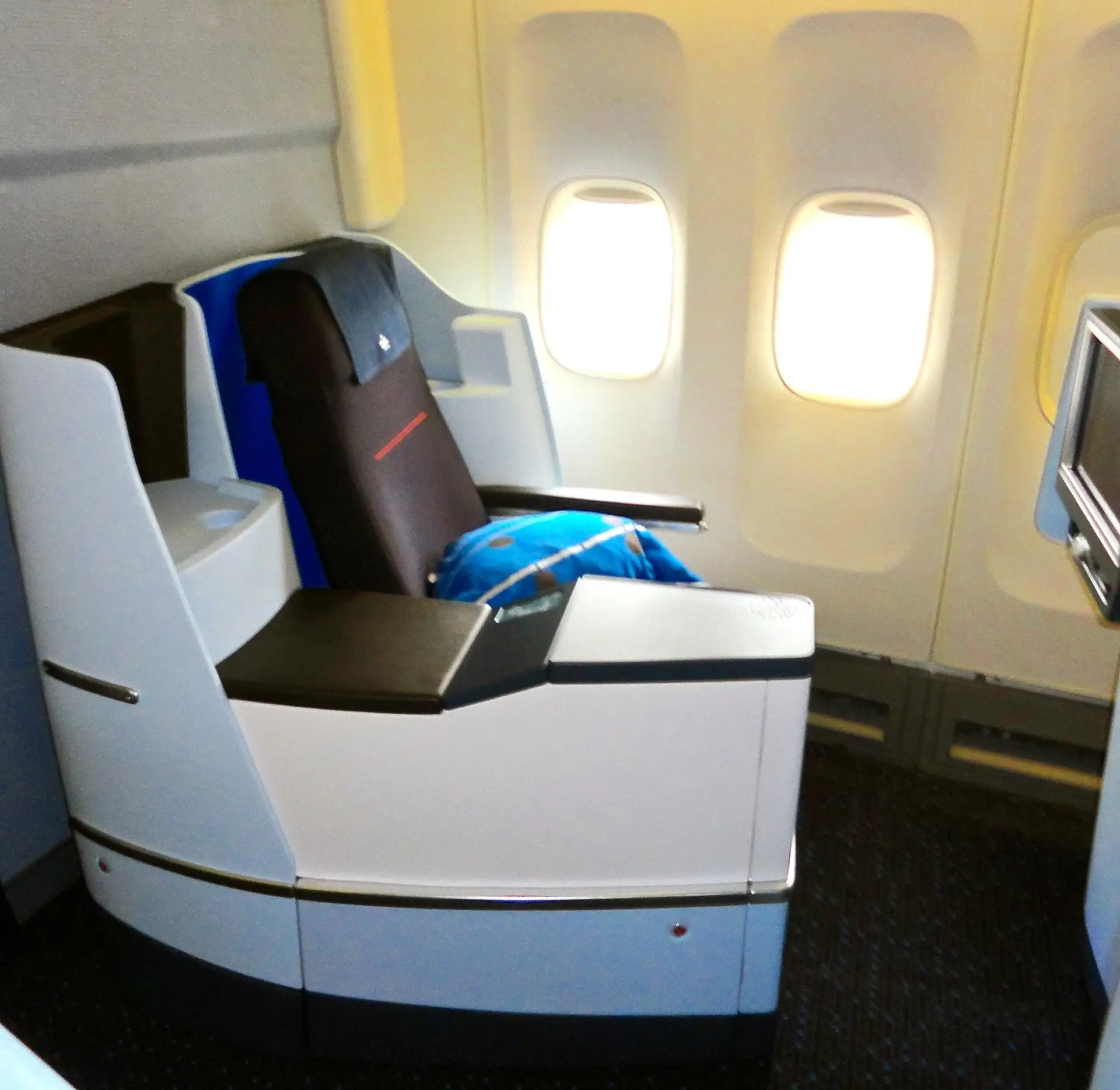
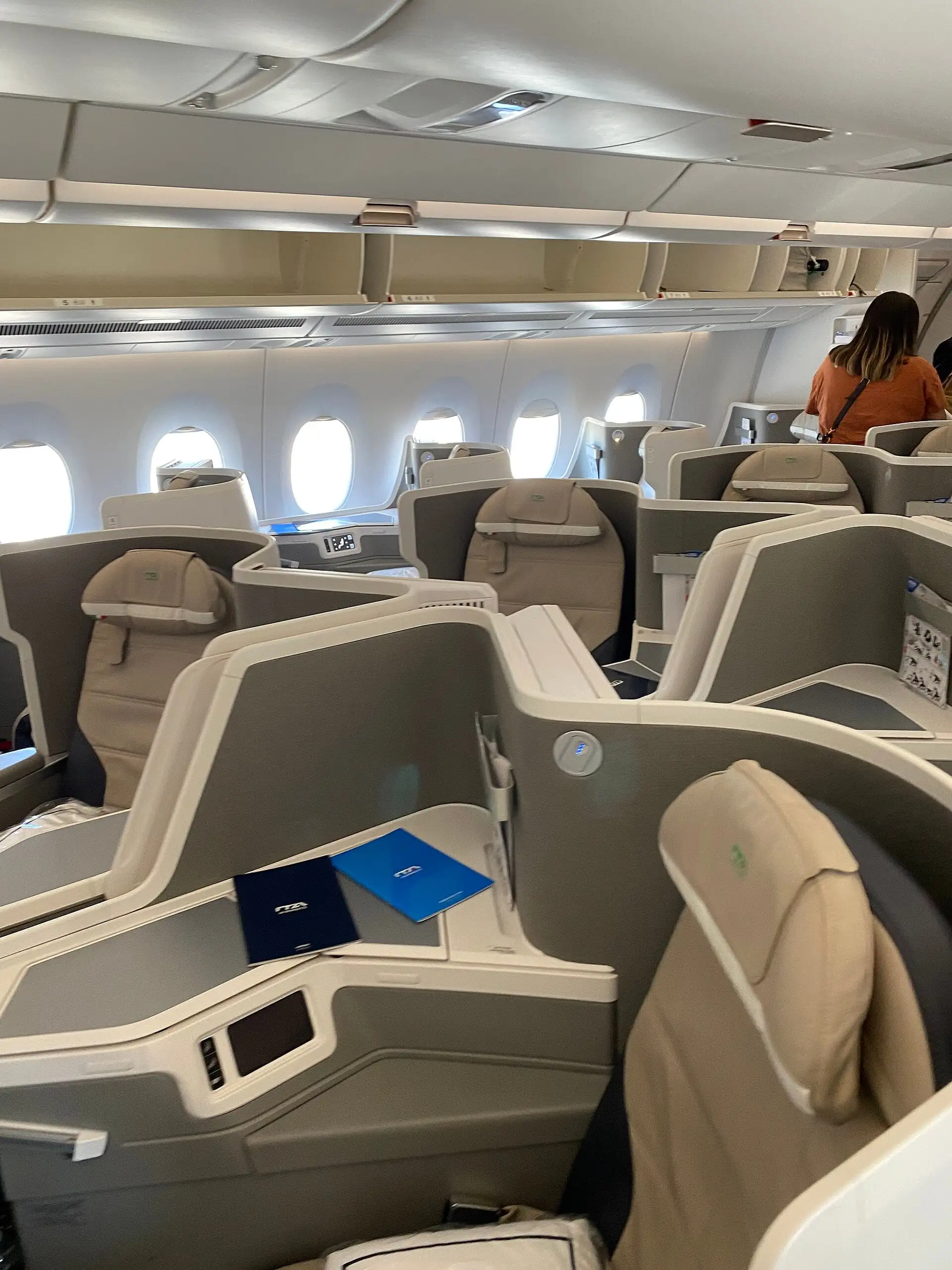
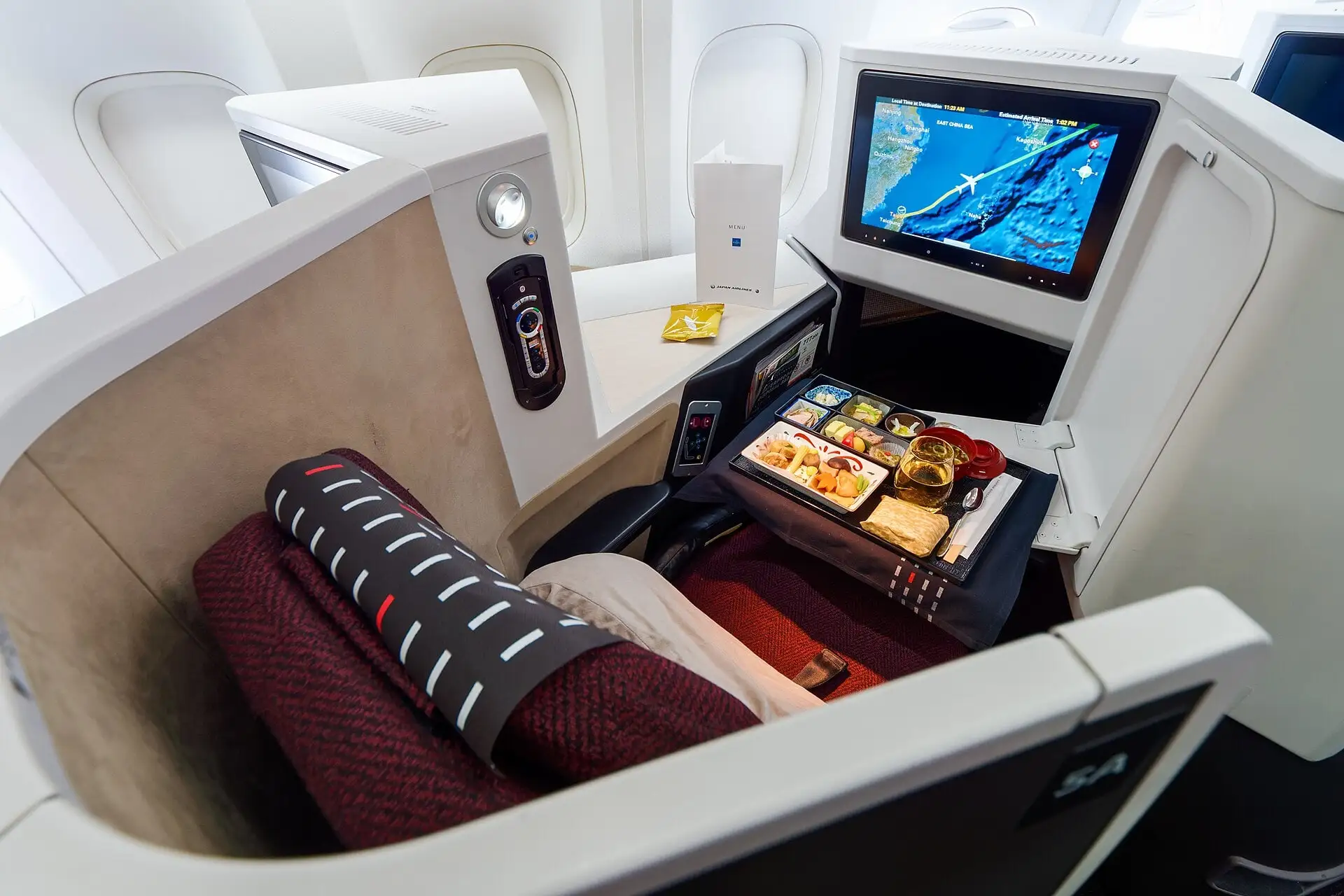
Ask the traveler, then set them when you book. In business class, seat choice matters more than in economy: window or aisle, a seat next to a travel partner, and distance from galleys and lavatories. Special meals such as vegetarian, kosher or diabetic should be requested well before departure, ideally at booking.
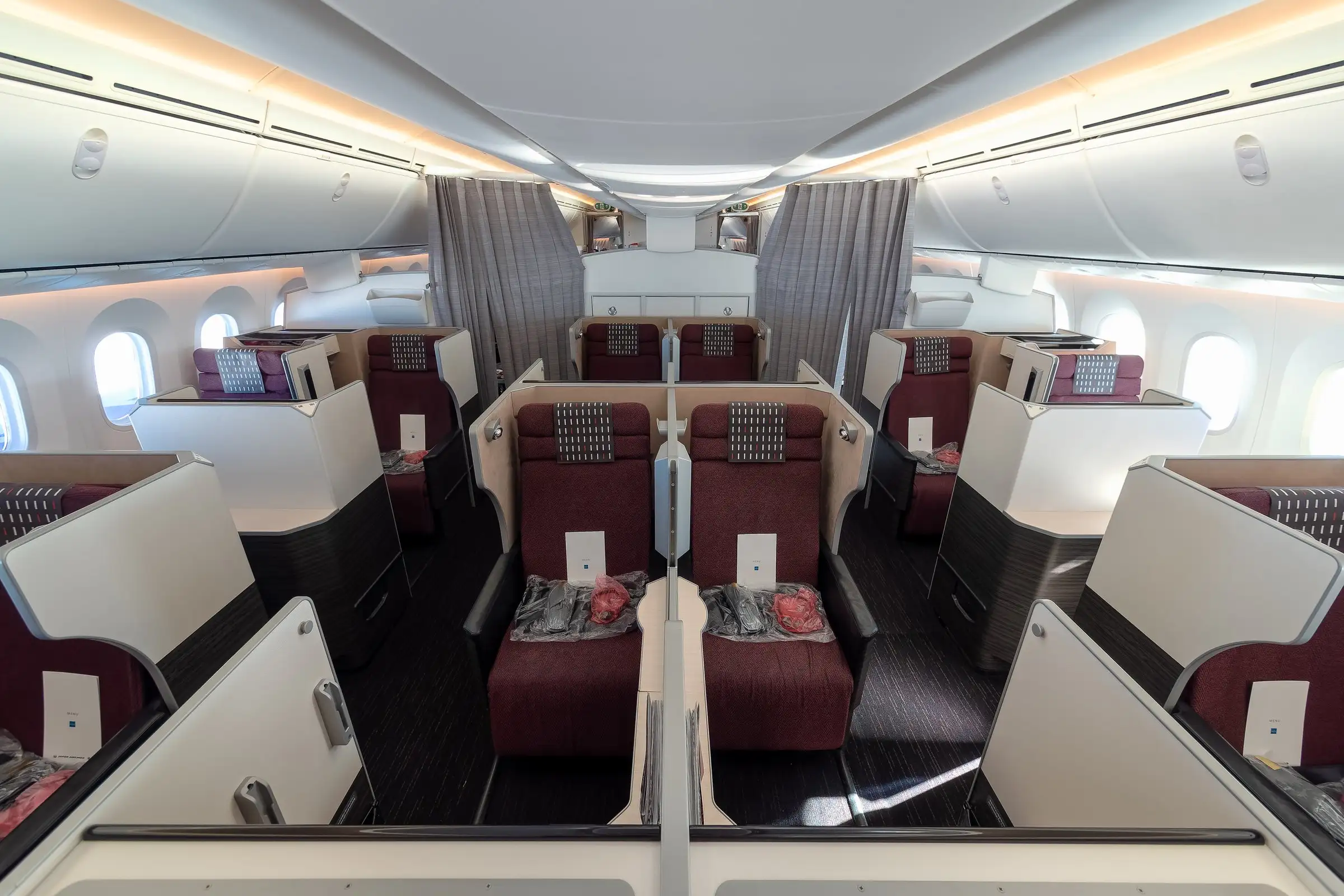
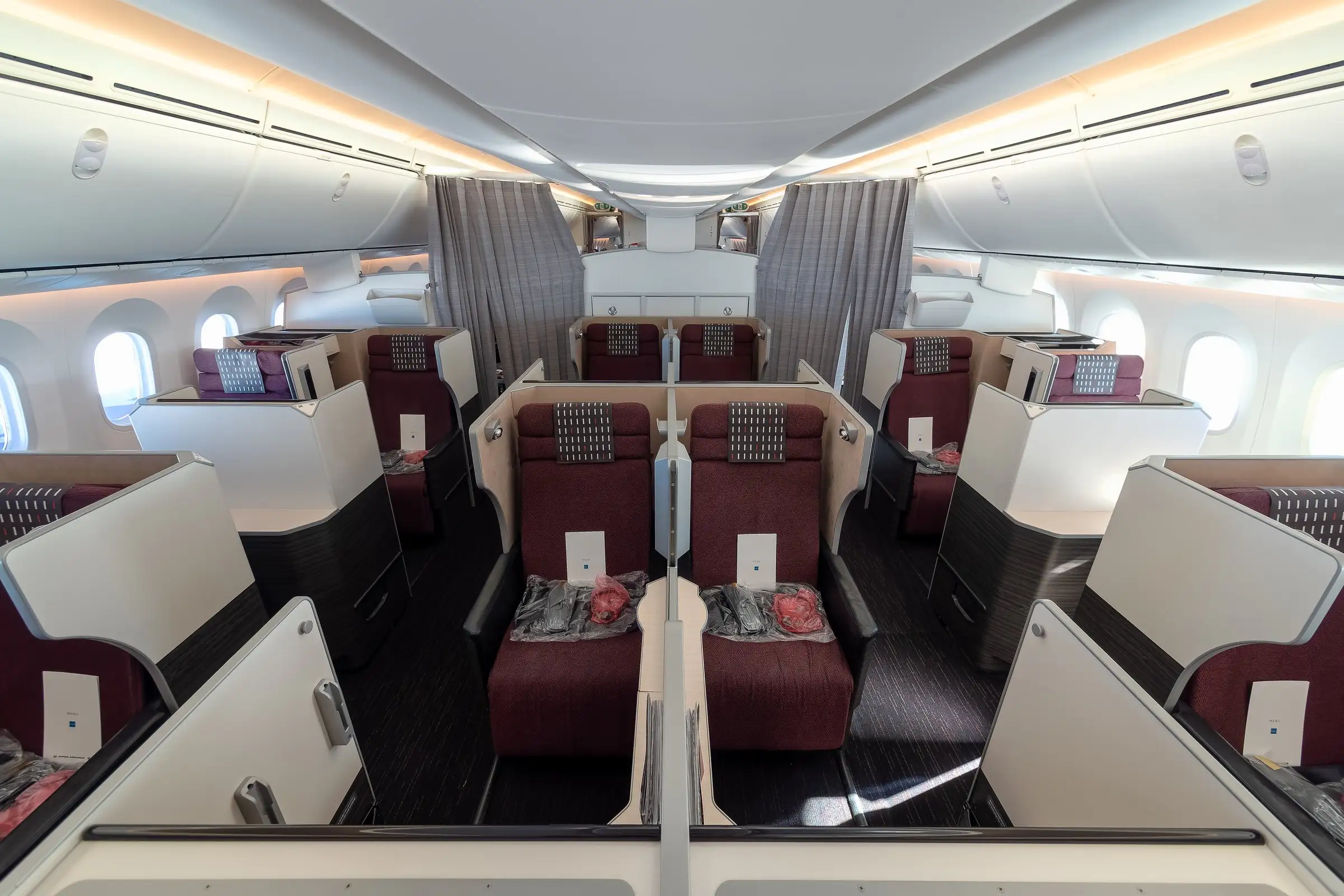
Seat selection is usually included in business class fares, although some airlines charge extra for certain seats. If two people are traveling together, check the seat map: on many business class layouts, the best pair of seats for a couple is in the center section, and window seats are often single.
For older travelers, request airport assistance, such as a wheelchair between check-in and the gate, at the time of booking.
Who is responsible for visas and entry documents?
The traveler. Visas, electronic travel authorizations and passport validity rules depend on the traveler’s nationality and destination, and airlines can refuse boarding without the right documents. Check the rules for their passport, not yours, and apply in their name. Many systems let you apply on someone else’s behalf.
The UK is a good example. GOV.UK says US citizens usually need an electronic travel authorization (ETA) rather than a visa to visit, that each person traveling needs one, including babies and children, and that you can apply for other people. Do it in good time, and only through the official GOV.UK service.
Other countries have their own rules, and they change. Check each destination and every connection point well before departure.
What is different when booking for a boss or for parents?
With a boss, it comes down to authority and change rules. Use a company card you are allowed to use, know what the fare allows if plans move, and keep their personal details private. With parents, think about the travel day itself: easy connections, help at the airport, and a clear way to reach both of you.
Booking for a boss or a colleague:
- Keep a secure profile of their passport name, date of birth and numbers, and confirm details before each trip.
- Ask whether a more flexible fare is worth it. Executives’ plans change, and a cheaper fare with strict rules can cost more in the end.
- Get the receipt in the company’s name for expenses.
Booking for parents:
- Favor nonstop flights or one easy connection with enough time between flights.
- Request airport assistance and special meals at booking.
- Add your number as a second contact with the booking agent, so someone can help if a flight changes.
Before you book
Get the name right first, and copy it from the passport rather than from memory. Frequent flyer and Known Traveler numbers can usually be added later. A wrong name can be costly to fix. When you are ready, send us the route, dates and the traveler’s details. An agent confirms the fare before you pay, and travelers save up to 60% off the airlines’ full published fares. Ask for a quote, call +1 (888) 322-7999 or message an agent on WhatsApp, 24/7. You can also read how booking works.
Sources
- Security screening, TSA, Secure Flight section (full name, date of birth and sex used for passenger matching)
- What is a Known Traveler Number (KTN)?, TSA
- Electronic travel authorisation (ETA), GOV.UK (who needs an ETA; applying for other people)
- 14 CFR Part 260, eCFR, section 260.10 (refunds in the original form of payment)