In this article: 7 sections
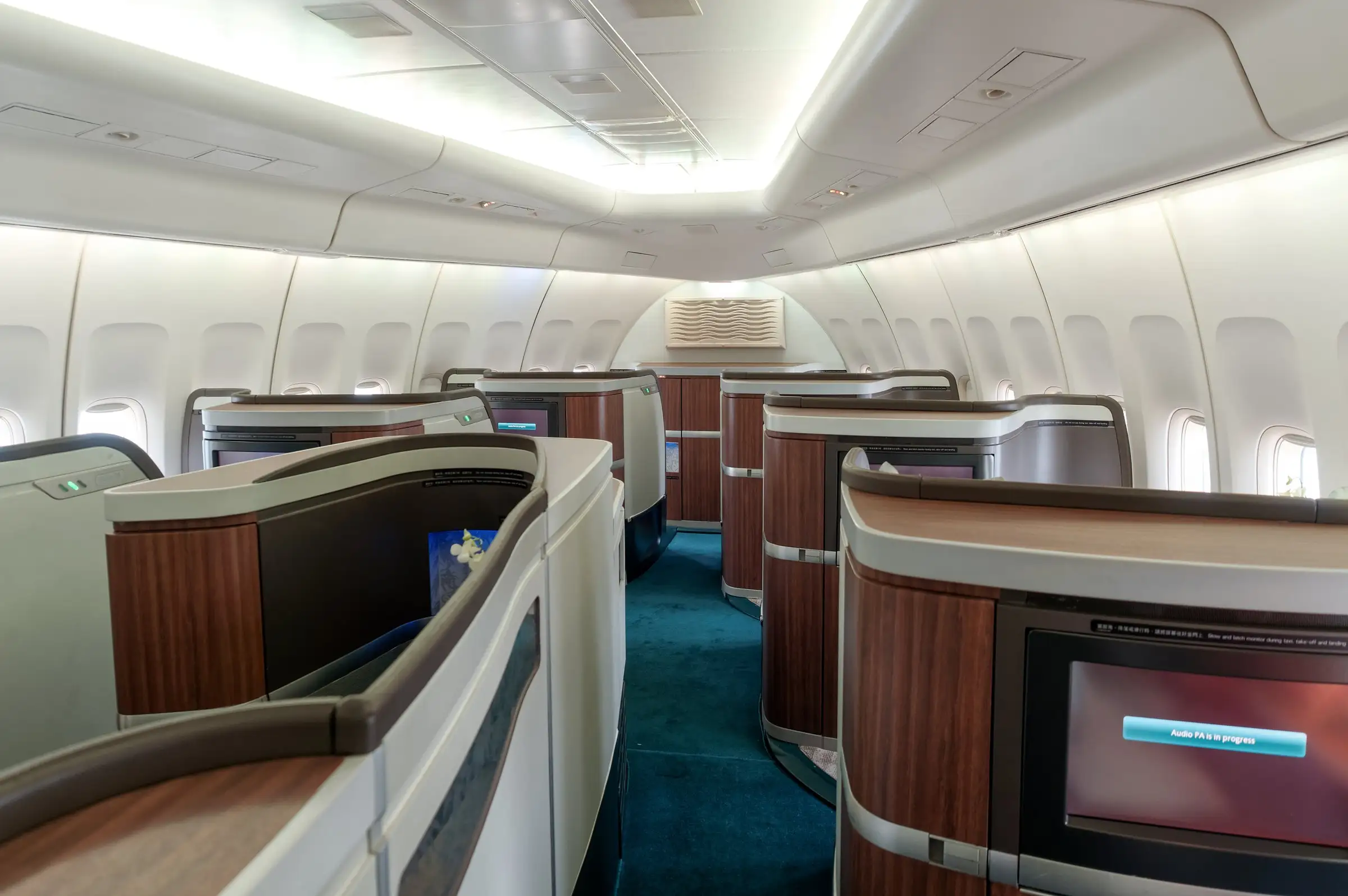
On a long-haul flight from the US, the jump from business class to first class used to be dramatic. Business meant a wide recliner; first meant a bed. Today the gap is much smaller. Most long-haul business class seats turn into fully flat beds, and many of the newest ones have doors.
First class is still a real step up, but fewer airlines sell it, and on the same flight it usually costs a lot more than business. Whether that step is worth the money depends on the trip, and we get to that near the end, after a look at what each cabin includes and who still sells first from the US.
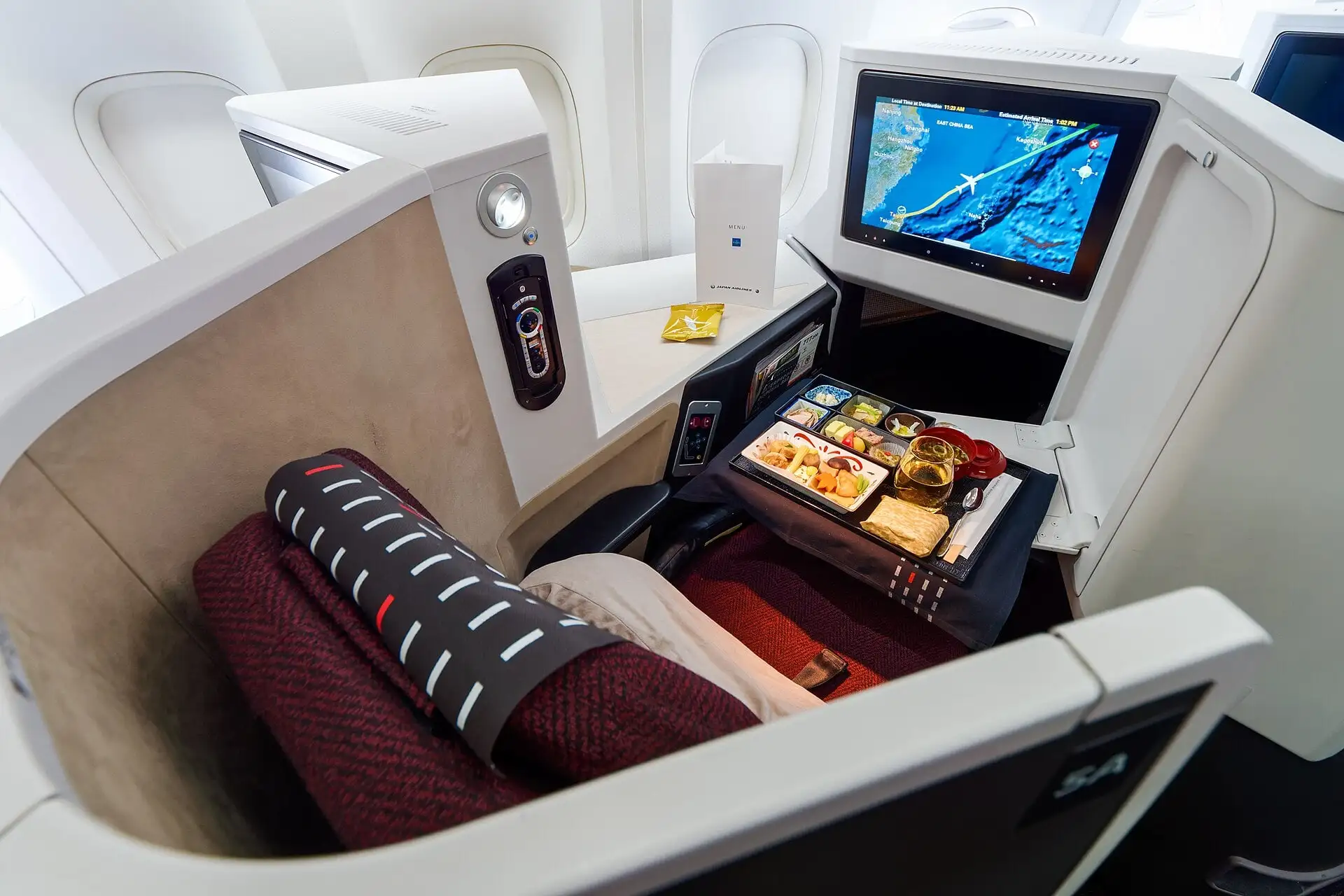
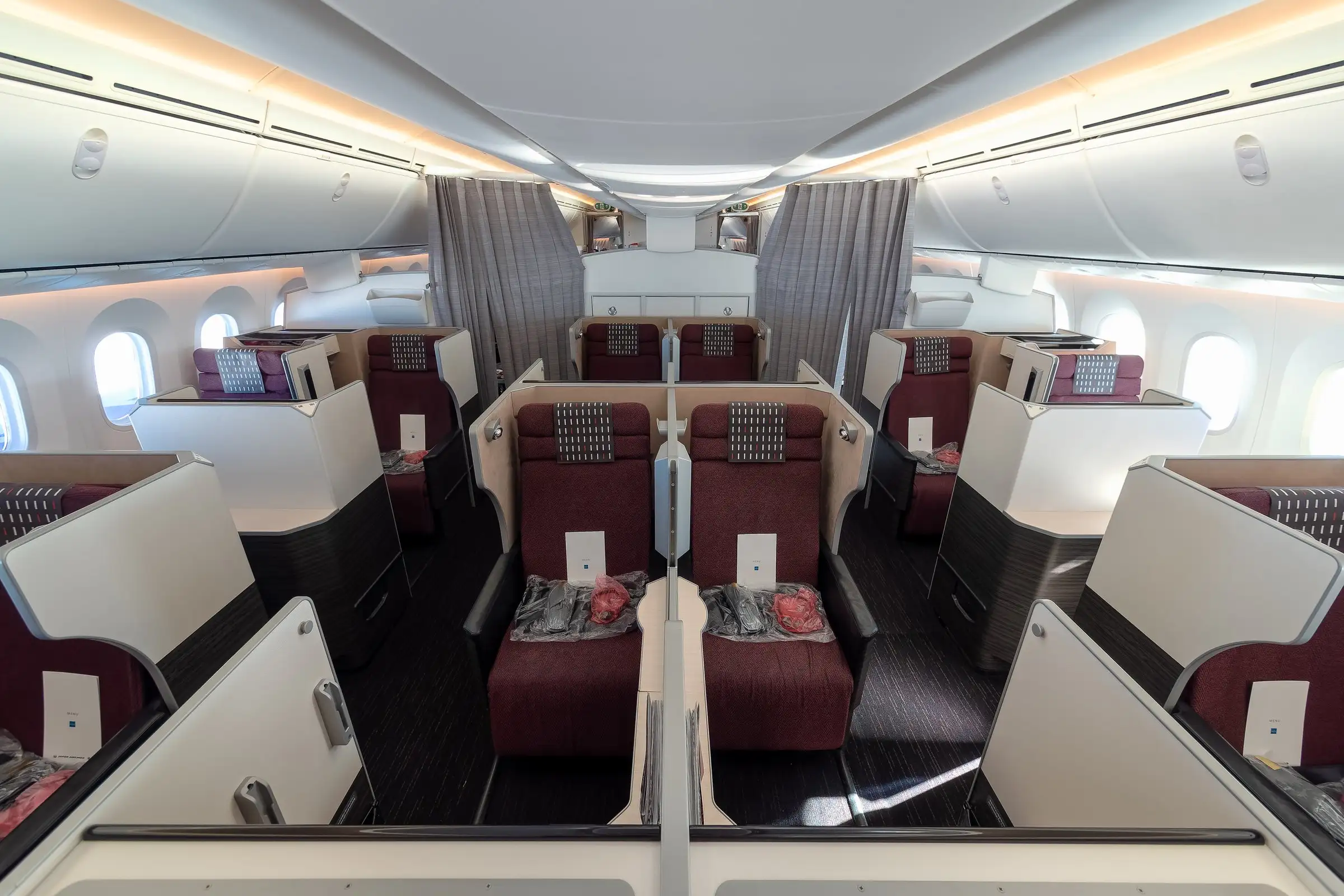
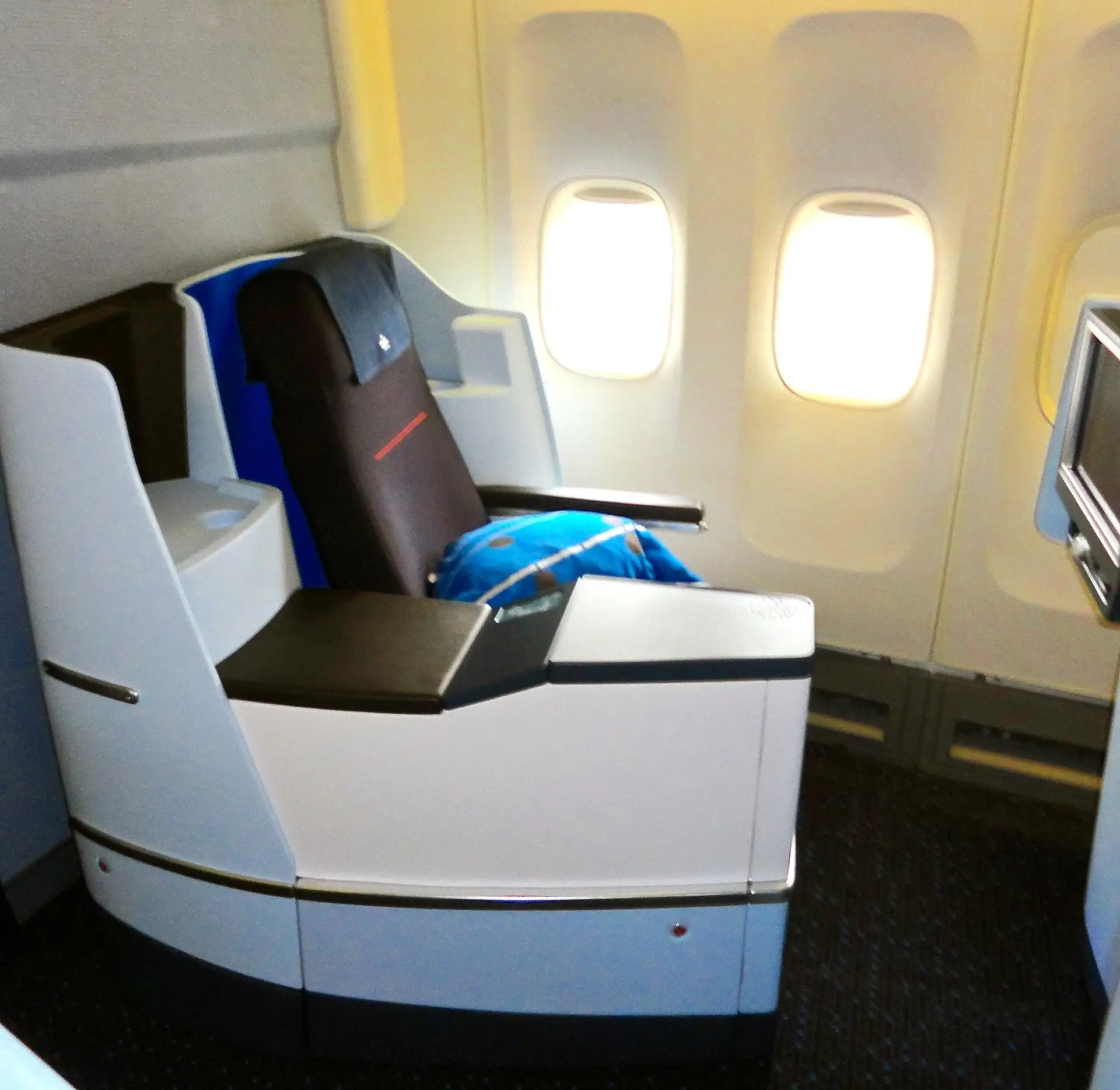
What business class gets you today
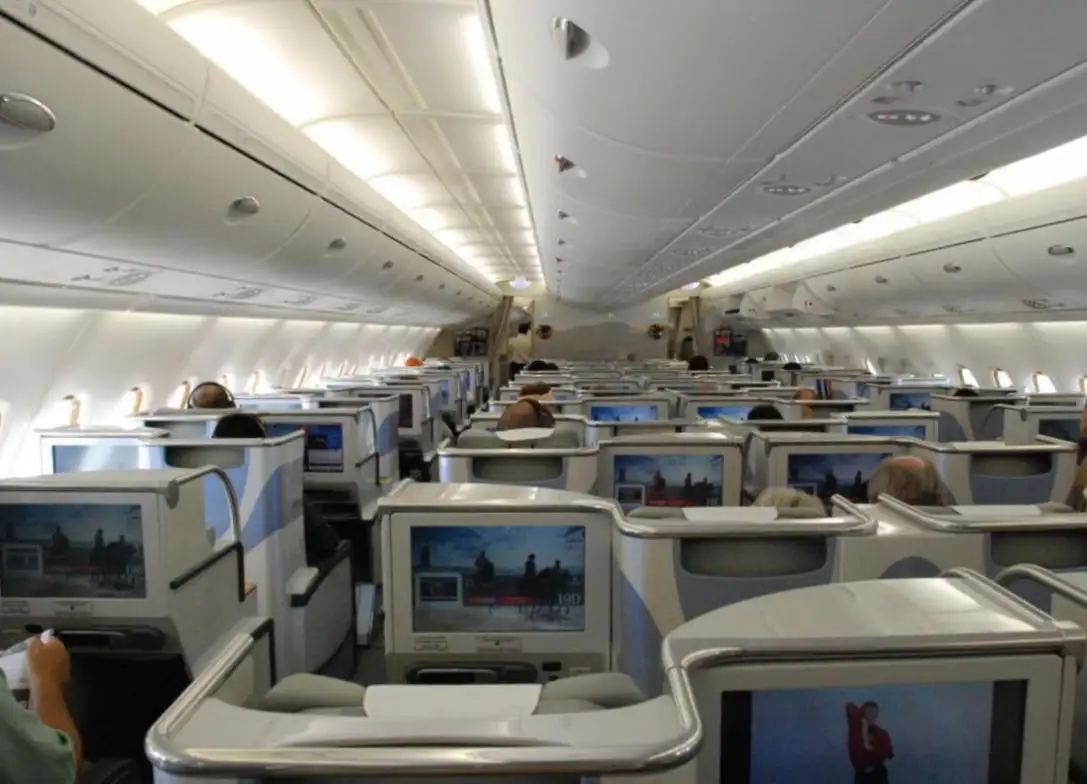
On most long-haul flights from the US, a business class ticket includes:
- A seat that becomes a fully flat bed
- Direct aisle access from every seat on most modern layouts, so nobody climbs over you
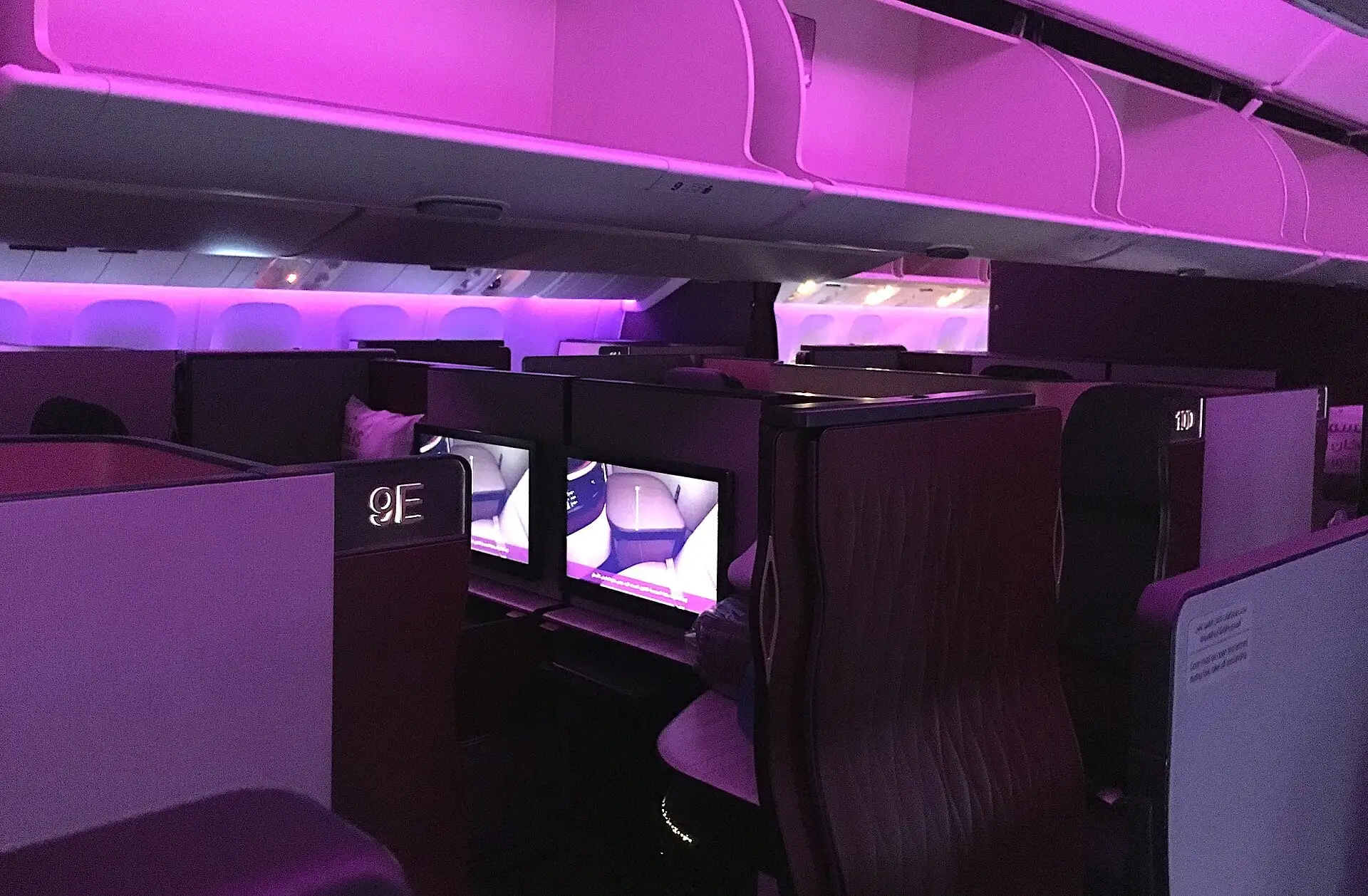
- A door on many newer seats, such as Qatar Airways Qsuite, Delta One Suites, British Airways Club Suite and ANA’s The Room
- Lounge access, priority check-in and boarding, and a larger baggage allowance
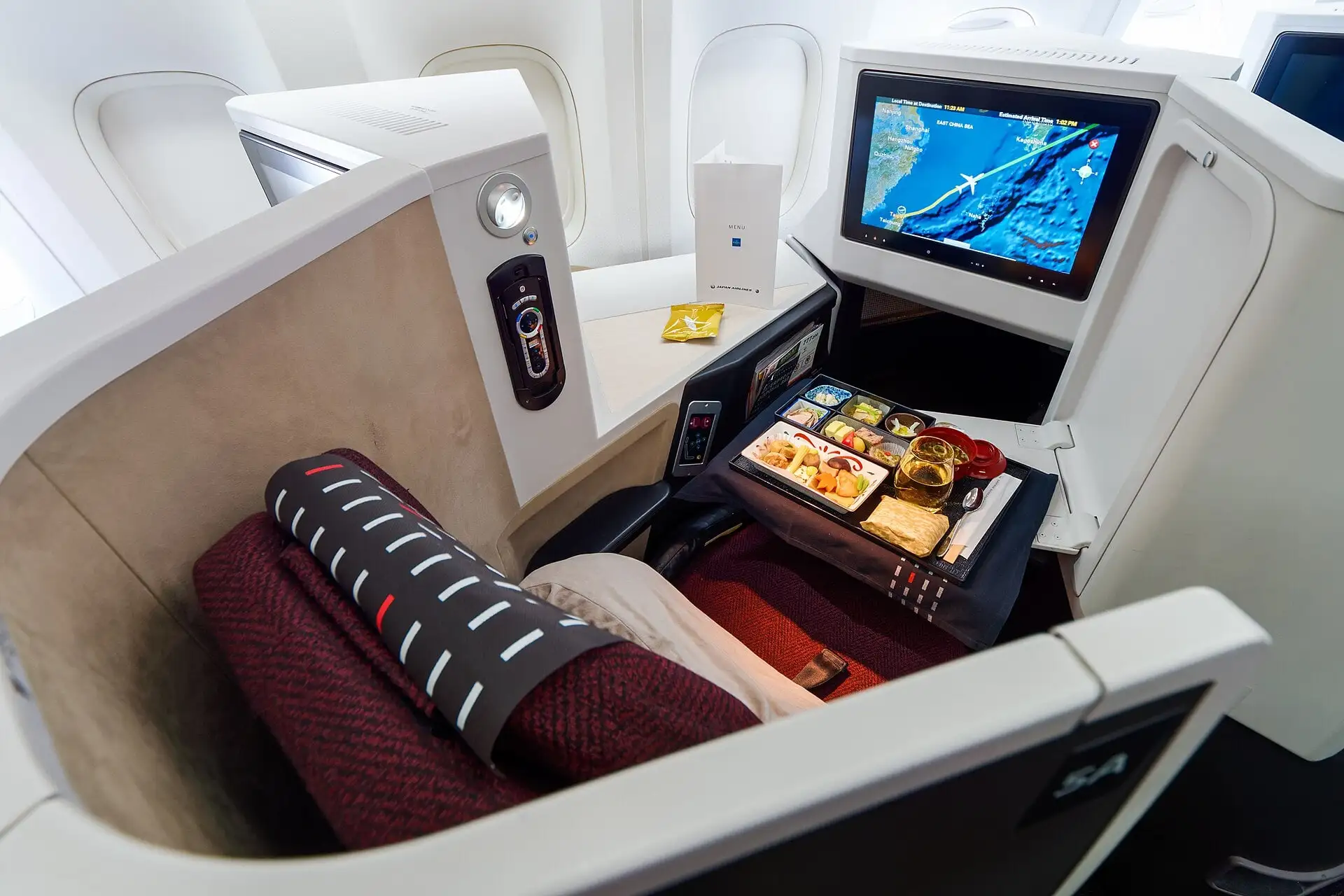
- A multi-course meal with wine, bedding and an amenity kit
A business cabin usually holds a few dozen seats. Service is attentive, but the crew is looking after a lot of people.
What first class adds
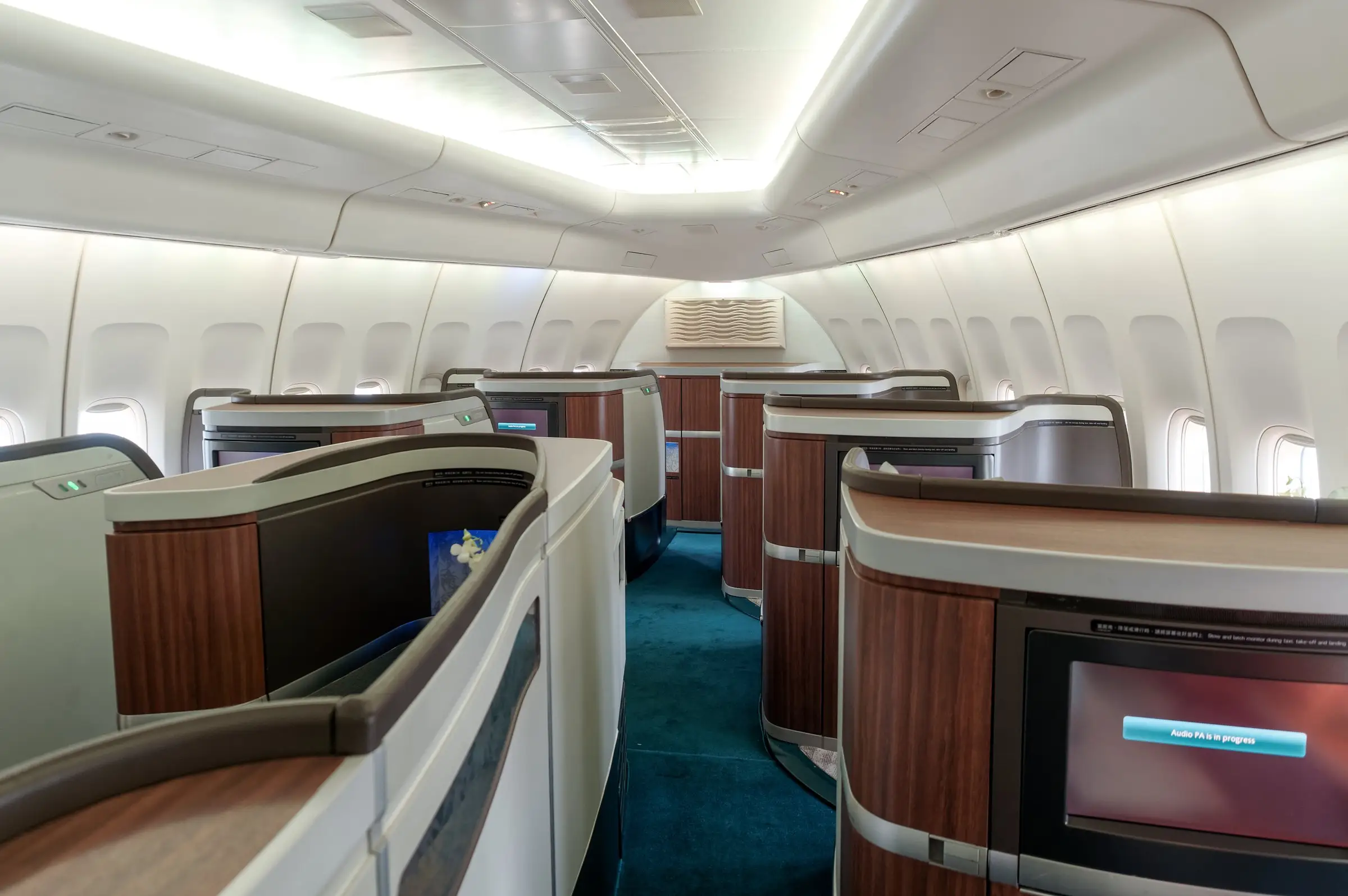
First class is built around space and attention.
More space, fewer people
A first class cabin usually has somewhere between a handful and about a dozen seats. The suite is larger, often with a full-height door, a wider bed and room for a companion to sit across from you. Some airlines go further: Etihad’s First Apartment separates the seat and the bed, and Emirates puts shower suites for first class passengers on its A380s.
Dining and service
With fewer passengers per flight attendant, meals are served when you want them, not on the cart’s schedule. Menus tend to be more elaborate, and caviar and premium champagne are common on many airlines.
The ground experience
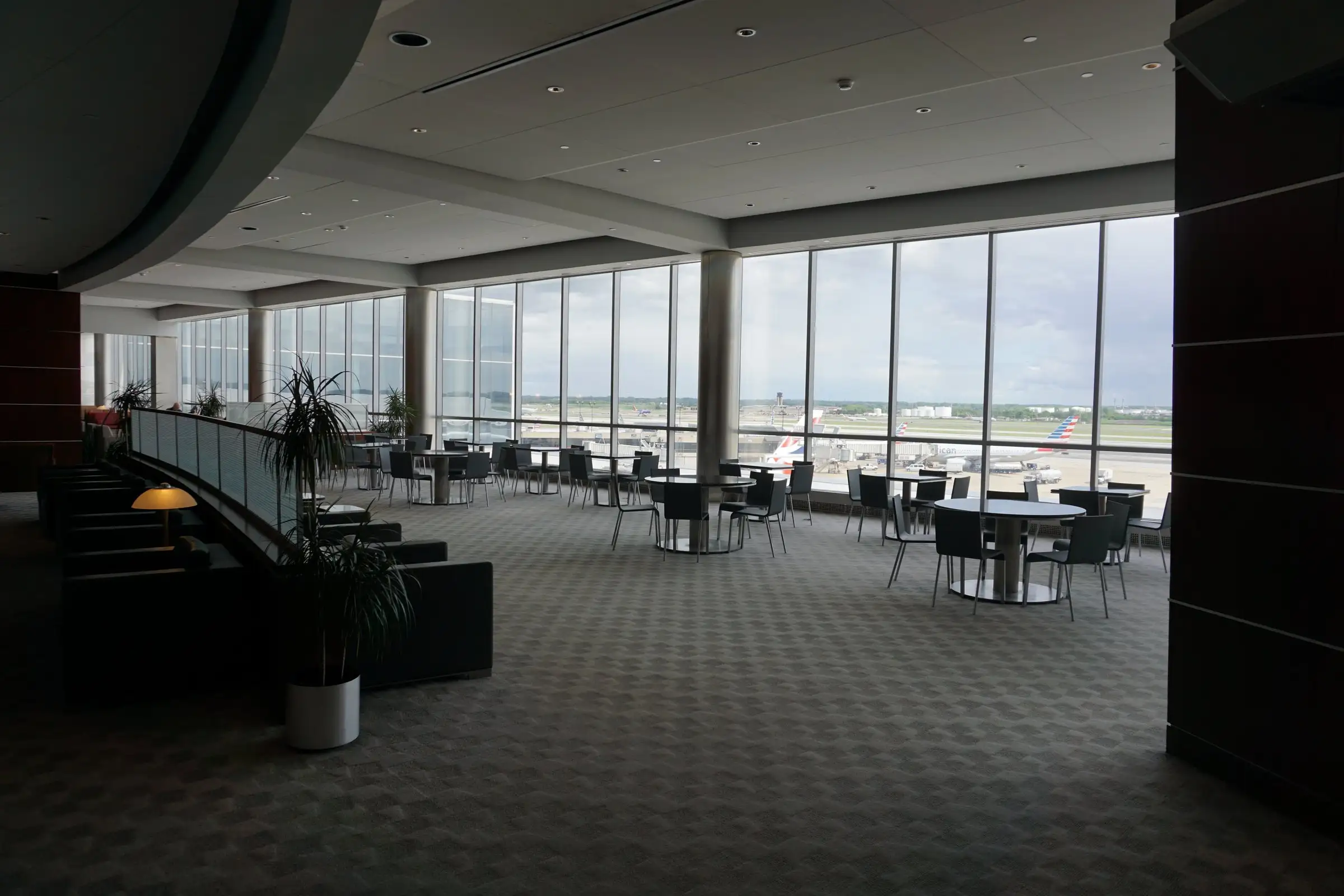
This is where first class often pulls furthest ahead. Some airlines run dedicated first class lounges or terminals, with restaurant dining and personal escorts. Lufthansa’s First Class Terminal in Frankfurt and the first class lounges of Air France in Paris and Emirates in Dubai are well-known examples. Some airlines also include chauffeur service for first class passengers in eligible cities.
Which airlines still sell first class from the US
US airlines have largely moved away from international first class. Delta and United sell business class as the top cabin on their long-haul flights (Delta One and Polaris). American has kept a small first cabin on some aircraft, but its newer long-haul planes are built around business suites instead.
Foreign airlines that still sell first class on at least some routes from the US include:
- Emirates, on its A380s and many 777s
- Air France, La Première on some 777s, including flights to several US cities
- British Airways, First on many of its long-haul widebodies
- Lufthansa and Swiss, on selected aircraft and routes
- Japan Airlines and ANA, on selected flights to Tokyo
- Singapore Airlines, Cathay Pacific and Qantas, on some aircraft and routes
Qatar Airways is a useful exception: on most routes it sells Qsuite business class as its top product.
Cabins change by aircraft and by season, so the same route can have first class one month and not the next. Before you pay for first class, confirm the aircraft scheduled for your exact flight.
Domestic “first class” is a different product
On flights within the US, the front cabin is usually sold as first class, but it is much closer to an international premium economy seat: a wide recliner with more legroom. A few transcontinental routes have lie-flat seats up front. When people compare business and first class for international travel, they mean the long-haul cabins described above.
When first class is worth it
First class makes the most sense when:
- The flight is very long. On 13 hours or more to Asia, the Middle East or Australia, the extra space, quiet and service matter more.
- The ground experience matters to you. A first class terminal or lounge can turn a long connection into the most relaxing part of the trip.
- It is a special trip. An anniversary, a milestone birthday, a retirement.
- The price gap is smaller than usual. On some dates first class fares sit closer to business than you would expect. It is worth asking.
- Business is sold out on the flight you need.
It makes less sense on a seven-hour overnight to Europe. You will get a few hours of sleep in either cabin, and a good business class seat does that job well.
How to find cheaper first class fares
“Cheap first class” is relative, but the same habits that lower business class fares work here too:
- Be flexible on dates. First class cabins are small, so one or two bookings can change the fare.
- Compare airlines and routings. A connection through a hub can price very differently from a nonstop.
- Mix cabins. First class on the long-haul flight and business on a short connection costs less than first all the way.
- Ask for both cabins on the same flights. Seeing business and first side by side shows you exactly what the upgrade costs.
To start, browse our first class flights page.