In this article: 7 sections
“Best business class” depends on where you are going. The airline with the best seat to Tokyo may not fly to Lisbon at all, and the best seat on paper only helps if it is on your flight. Many airlines are in the middle of installing new seats, so the same flight number can operate with a new suite one week and an older seat the next.
This guide goes region by region and focuses on what matters when you book from the US: the seat, the aircraft it is actually installed on, and where the airline can take you.
What makes a business class seat good
Before the airlines, the checklist:
- Direct aisle access from every seat. Layouts described as 1-2-1, staggered or herringbone usually have it. Older 2-2-2 or 2-3-2 layouts do not.
- A door. Not essential, but it makes a real difference to privacy and sleep.
- Bed length and width, plus storage you can reach while seated.
- Consistency. Check the aircraft type on your flight, not just the airline’s best seat.
- The connection. A great seat on the long-haul flight can be undone by a tight connection or a weak hub.
Europe
Europe has the most competition from the US: nonstops from dozens of US cities on US and European airlines, plus one-stop options through every major hub.
Delta One
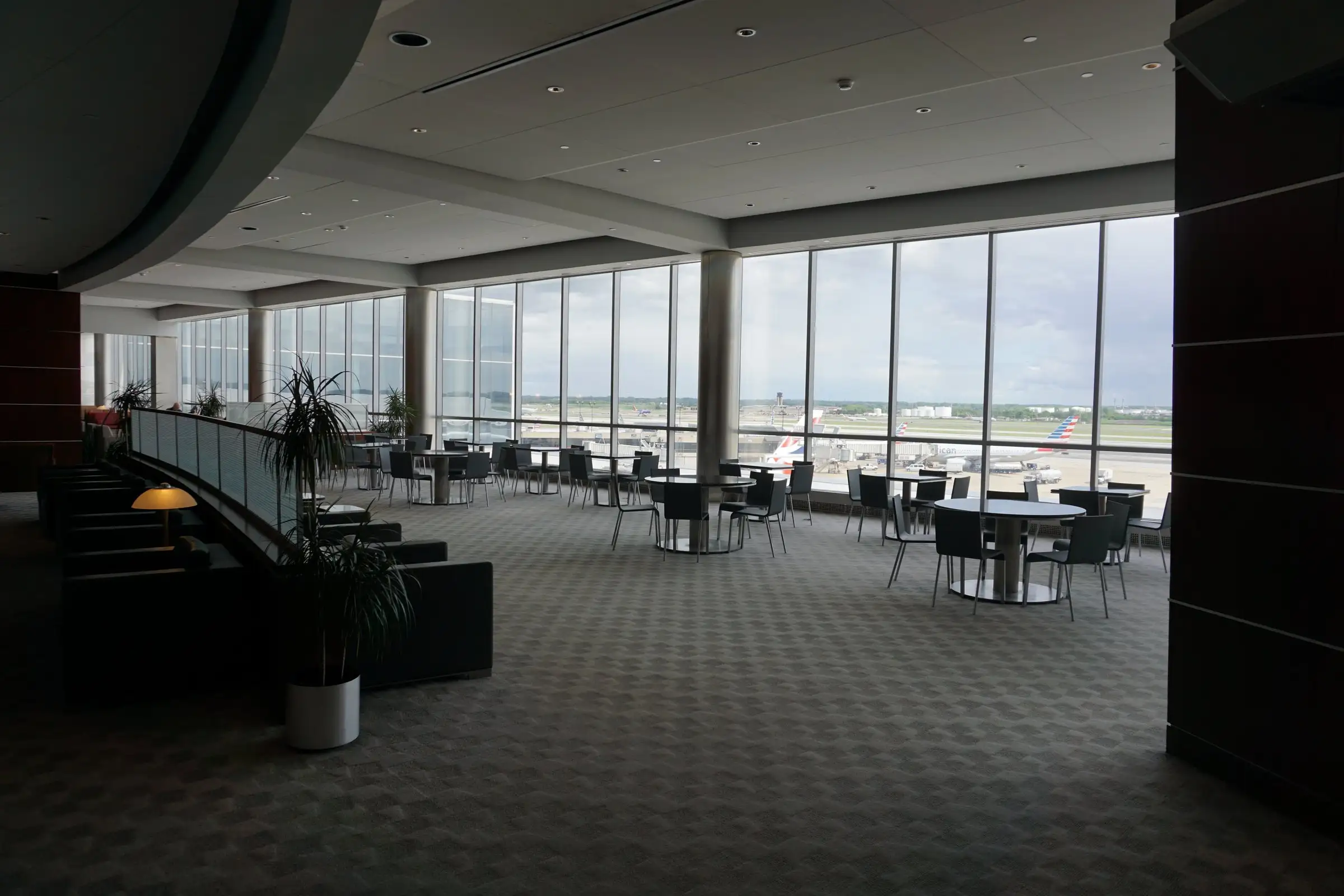
Delta has been installing Delta One Suites, with sliding doors and direct aisle access, on many of its widebodies, including the A350 and A330-900. It has also been opening dedicated Delta One lounges at some of its US hubs. Best for travelers who want a nonstop from a Delta hub and a door. See Delta.
United Polaris
Polaris seats are lie-flat with direct aisle access on United’s long-haul widebodies, and United has started introducing larger Polaris Studio seats on some newer 787s. Polaris lounges at United’s main hubs are a strong part of the product. Pick it for the sheer number of nonstops from United’s hubs.
American Flagship Business
American’s long-haul business seats are lie-flat with direct aisle access on most aircraft, and its newest planes are coming with Flagship Suite seats that have privacy doors. It makes the most sense if you fly from one of American’s hubs, such as Dallas, Miami or Charlotte.
British Airways Club Suite
Club Suite has a door and direct aisle access and is installed on many BA aircraft, including its A350-1000s and many 777s. Some aircraft still have the older Club World layout, so check before you book. Best for London and for connections across Europe. See British Airways.
Lufthansa Allegris, Air France, KLM and Virgin Atlantic
- Lufthansa is rolling out its Allegris business class on newer aircraft, with several seat types; some of the larger or more private seats can cost extra to reserve.
- Air France has newer business seats with sliding doors on many of its long-haul aircraft.
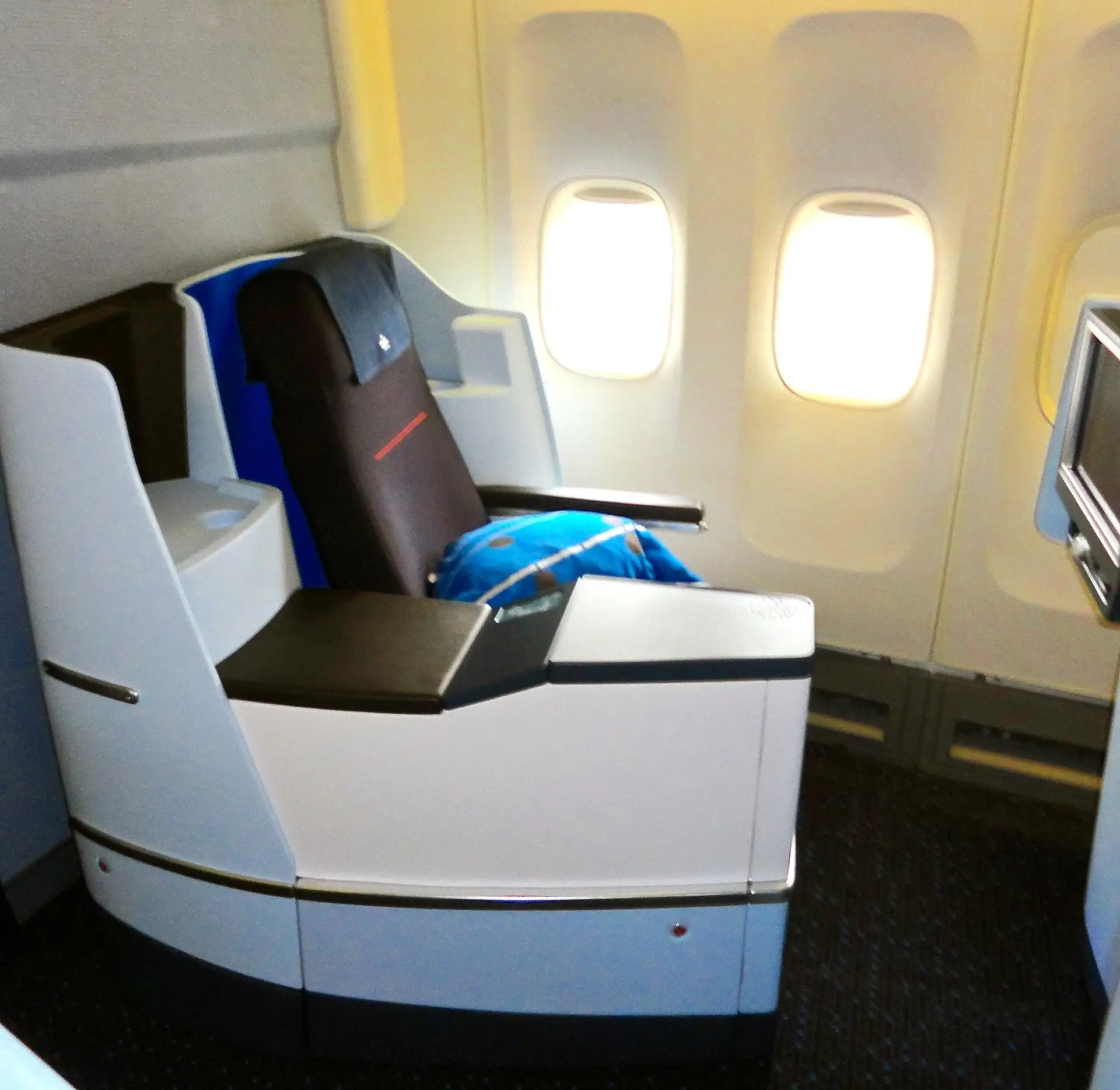
- KLM has been retrofitting aircraft with a newer World Business Class seat that includes a door.
- Virgin Atlantic Upper Class uses a herringbone layout, and many of its aircraft have a social space where business class passengers can sit and have a drink.
Turkish Airlines and Finnair
These are the connection specialists. Turkish Airlines connects through Istanbul to almost everywhere in Europe and well beyond, and its catering and Istanbul lounge are a big part of its appeal. Finnair connects through Helsinki and is a natural fit for the Nordics and the Baltics.
Middle East
The Gulf airlines are built around their hubs, so they are also the main one-stop options from the US to India, Africa, the Indian Ocean and parts of Asia.
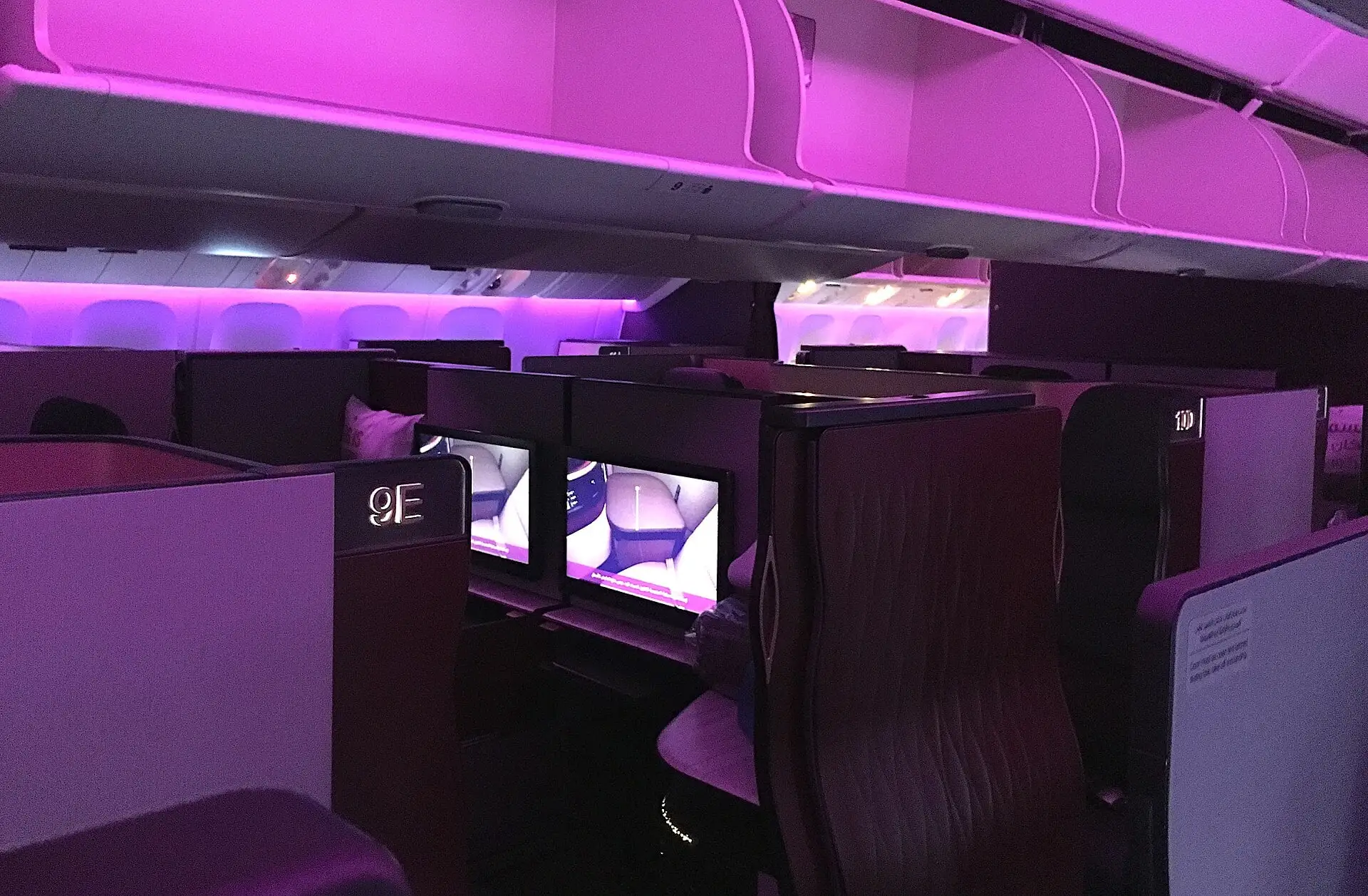
Qatar Airways Qsuite
Qsuite has a door, direct aisle access and center seats that can open up for couples or groups of four. It is installed on many of Qatar Airways’ long-haul aircraft, but not every one, so confirm the aircraft. Best for one-stop trips through Doha. See Qatar Airways.
Emirates
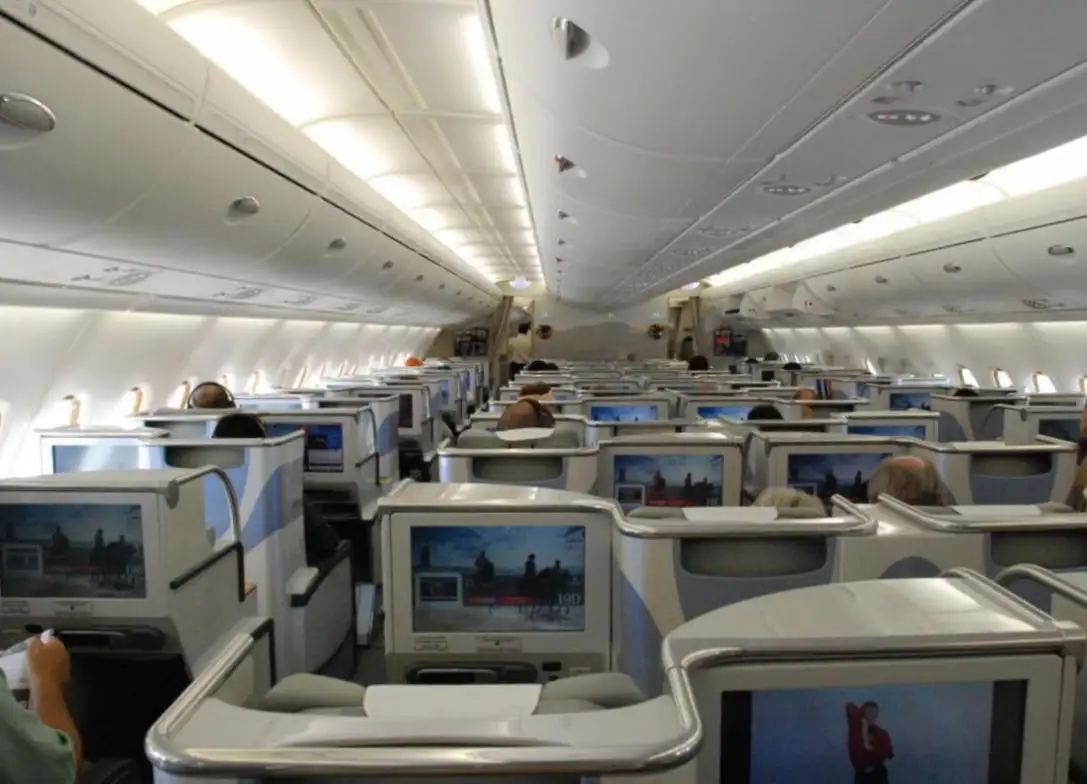
On the A380, Emirates business class has a 1-2-1 layout and an onboard lounge where business and first class passengers can stand, stretch and have a drink. The experience on its 777s varies by aircraft version. Best for Dubai and onward flights to India, Africa and the Indian Ocean.
Etihad
Etihad’s Business Studio on its 787s and A350s offers direct aisle access, and it connects through Abu Dhabi. Worth a look as an alternative to Doha and Dubai for one-stop trips.
Asia
From the US, Asia means long flights, often 12 to 16 hours, so the seat matters more than anywhere else.
ANA The Room
The Room is one of the widest business class seats flying, with a sliding door, installed on many of ANA’s 777-300ERs. Best for Tokyo, especially on the aircraft that have it. See ANA.
Japan Airlines
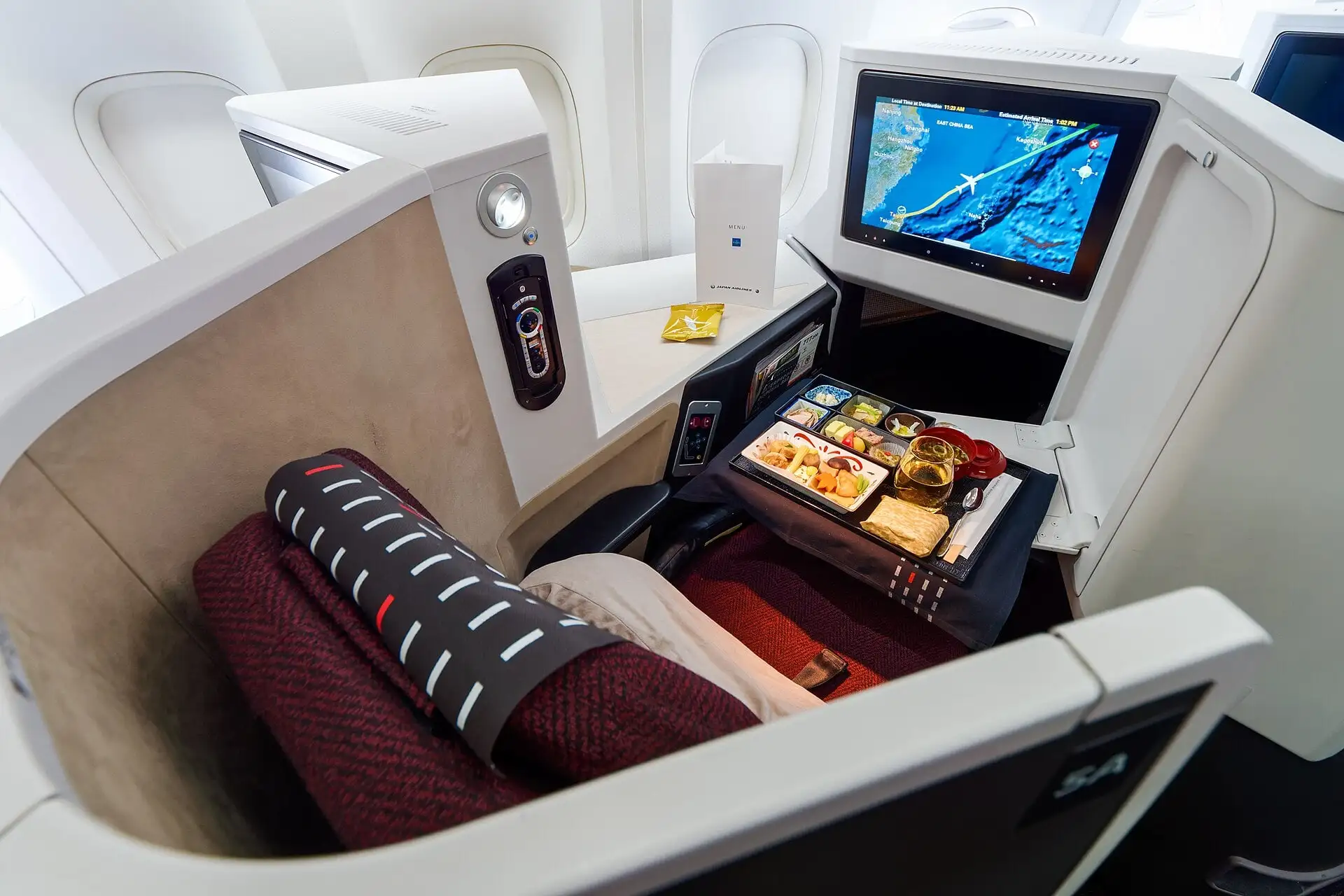
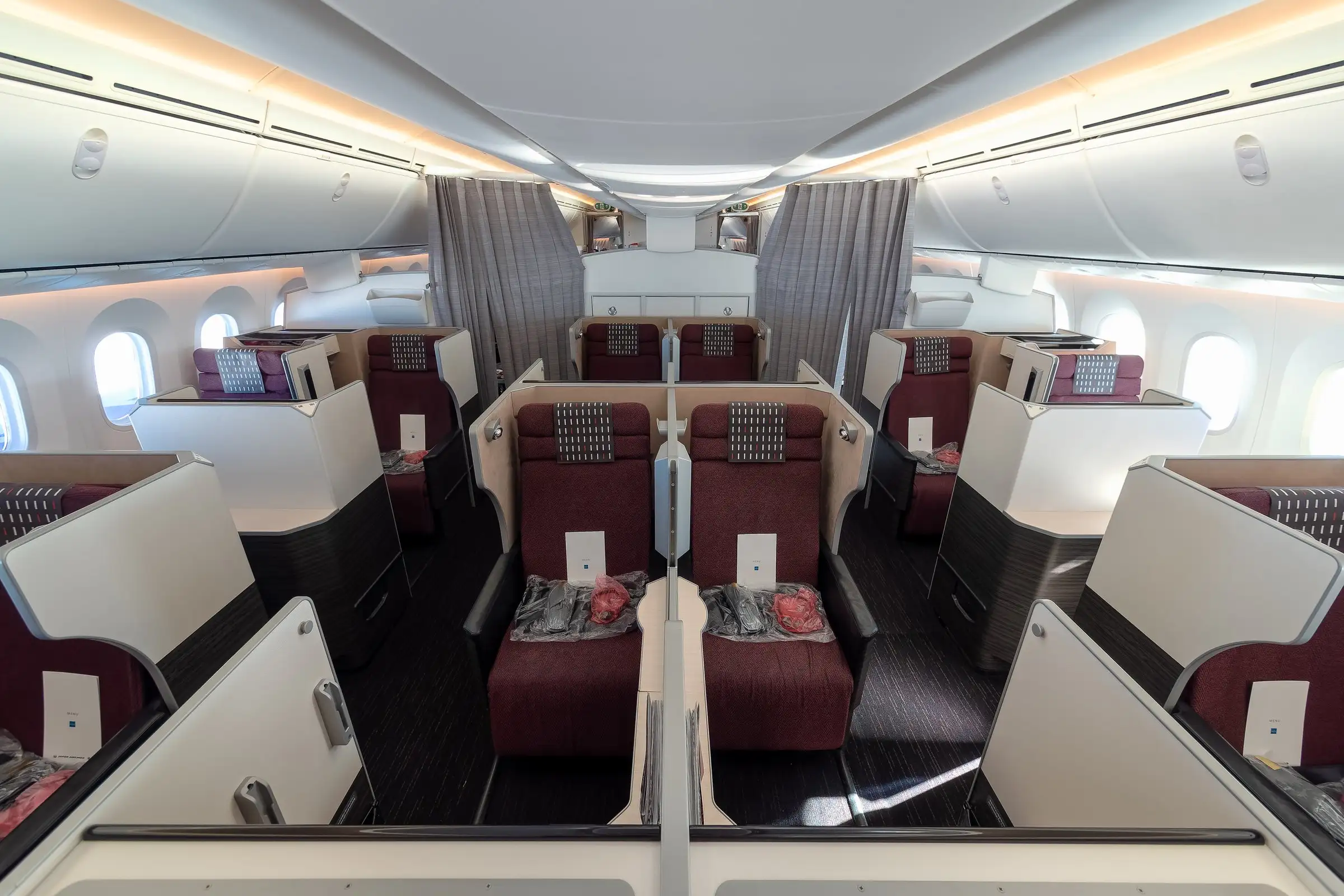
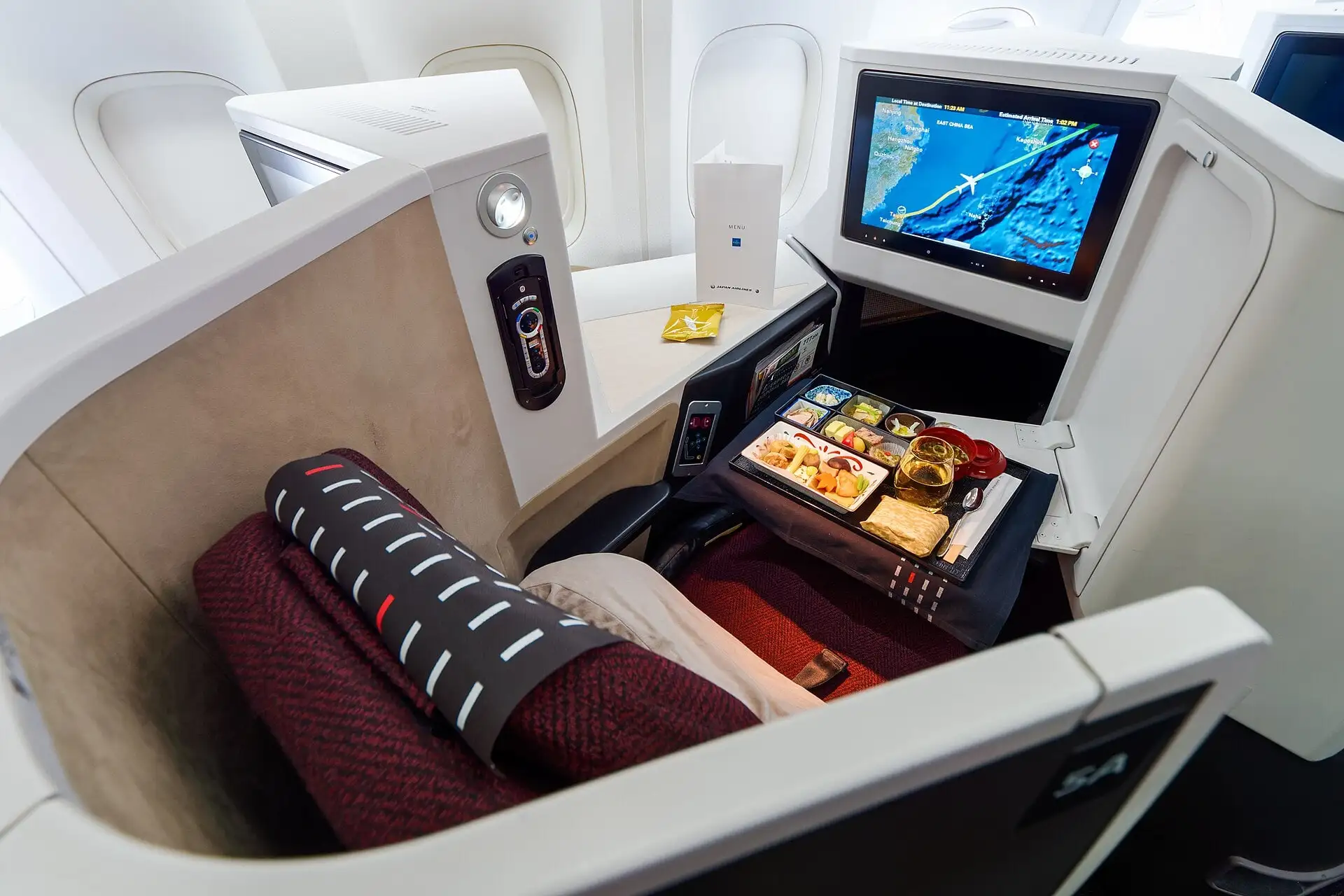
JAL’s newer A350-1000 business seats have doors and fly on some of its US routes. Its older Sky Suite seats still offer direct aisle access. A good choice for Tokyo and connections across Japan.
Singapore Airlines, Cathay Pacific and Korean Air
- Singapore Airlines business seats are very wide and convert into a bed, and the airline’s nonstops to Singapore are among the longest flights in the world.
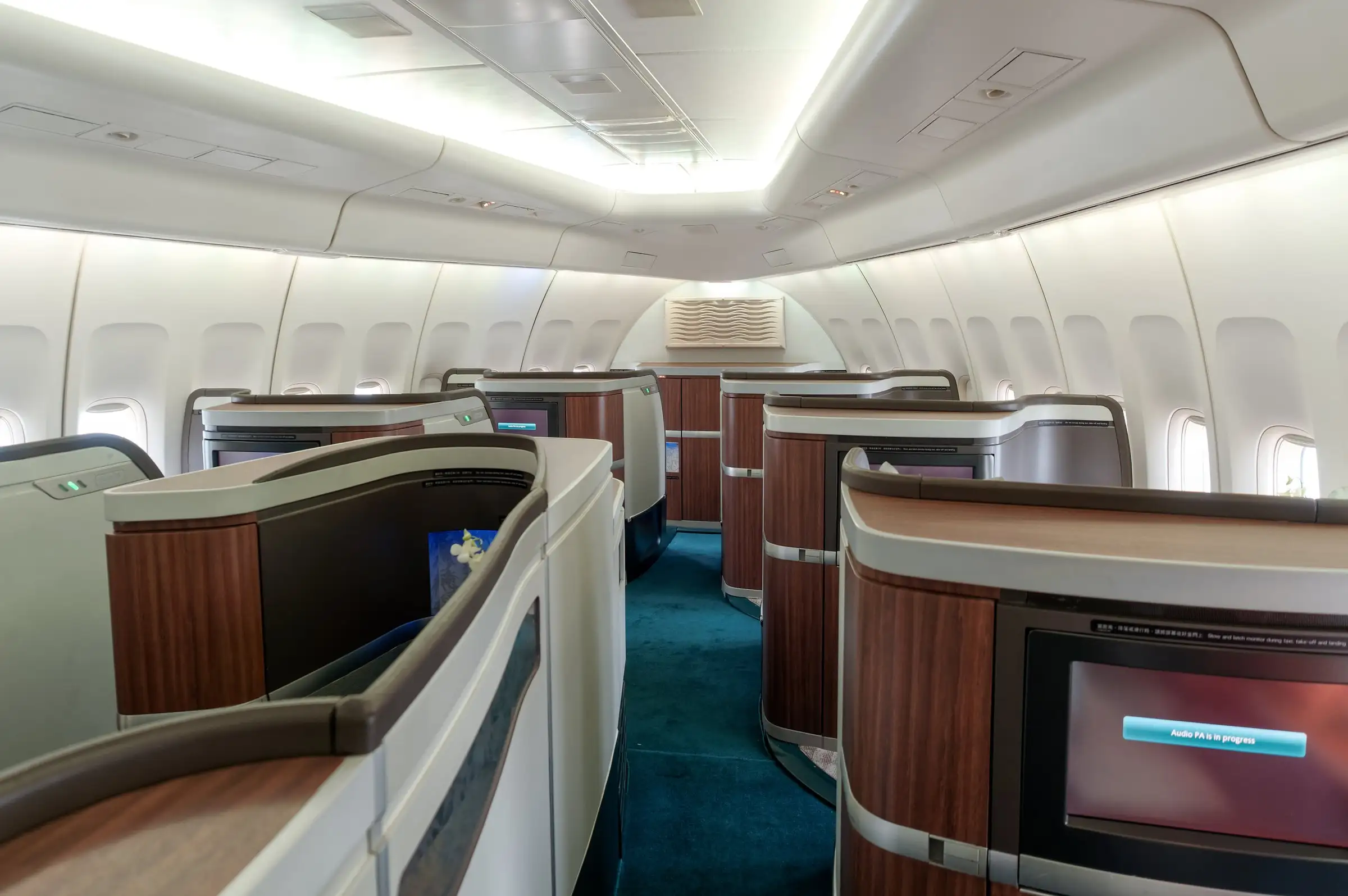
- Cathay Pacific has been introducing its Aria Suite, with a door, on its 777-300ERs, connecting through Hong Kong.
- Korean Air connects through Seoul to destinations across Asia.
US airlines also fly to Asia: United Polaris, Delta One and American all serve Tokyo, and several have flights to Seoul and other Asian cities.
Oceania
Qantas
Qantas flies to Australia from several US cities, with business class on its A380s and 787s. Best for Sydney, Melbourne and Brisbane, and for connections within Australia. See Qantas.
Air New Zealand
Air New Zealand’s Business Premier seats use a herringbone layout with direct aisle access, and the airline has announced a newer business suite for its 787s. Best for Auckland and connections across New Zealand and the Pacific.
US airlines
United, Delta and American all fly to Australia, and some also fly to New Zealand. They are worth comparing if you want to stay with a US airline or fly from one of their hubs.
How to choose
- Start with the route. Which airlines can take you there nonstop, and which with one good connection?
- Check the aircraft. Ask which plane is scheduled on your flight and look at its seat map.
- Weigh the connection. A short, easy connection through a good hub can beat a nonstop with an older seat.
- Then compare fares. Two airlines with similar seats can price very differently on the same dates.